


Episode Summary:
If you’ve ever wondered why you suddenly feel the urge to organize your house, finish projects, crave chocolate, or need a little more quiet time before your period, your hormones may be doing exactly what they’re were designed to do.
In this episode of Hormone Health for Real Life, Jen continues the menstrual cycle series by diving into Phase 3: the luteal phase—what she calls the “Fulfill” phase in the G.I.F.T. Method (Gear Up, Initiate, Fulfill, Take It Easy). This is the longest phase of the menstrual cycle and is led by progesterone, a hormone that helps shift your focus from starting new projects to finishing what you’ve already begun.
Jen explains why many women naturally become more detail-oriented, introspective, and motivated to organize during this phase, while also experiencing common PMS symptoms like sugar cravings, bloating, mood changes, fatigue, and increased stress. Rather than fighting these changes, she teaches how to work with your body’s natural rhythms to reduce burnout and support healthy hormone balance.
You’ll also learn practical ways to support progesterone through nutrition, exercise, stress management, seed cycling, and lifestyle habits. Jen discusses why complex carbohydrates and magnesium-rich foods become especially important after ovulation, how cortisol naturally rises during the luteal phase, and why boosting oxytocin through connection with loved ones can help you feel calmer and more emotionally balanced.
Whether you’re struggling with PMS, hormone imbalance, low energy before your period, or simply want to understand your body better, this episode will help you embrace the incredible design of your menstrual cycle and use your hormones as an advantage instead of viewing them as an obstacle.
In This Episode You’ll Learn
- Why the luteal phase is called the “Fulfill” phase and how to use it to your advantage
- The role progesterone plays after ovulation
- Why PMS symptoms happen and practical ways to support hormone balance naturally
- How cortisol and oxytocin interact during the second half of your cycle
- Why your exercise routine should shift from cardio to strength training (and eventually restorative movement)
- The importance of eating more complex carbohydrates during the luteal phase
- How magnesium may help support progesterone and reduce PMS symptoms
- The benefits of seed cycling with sesame and sunflower seeds after ovulation
- Why your body naturally becomes more detail-oriented and introspective before your period
- How to align your schedule, nutrition, and self-care with your body’s changing hormonal needs
Mentioned on the Show:
- Get your FREE download, “Phase 3 Reference Guide“
- Our book, “Realizing the Gift of Womanhood”
- Our online course, “Hormone Reset Bootcamp”
- Check out our Website: DIYHolisticSolutions.com
Don’t Miss the Other Episodes in This Series:


Enjoy the Show?
- Don’t miss an episode. Follow us on Spotify, Apple Podcasts, or RSS
- Leave us a review on Apple Podcasts
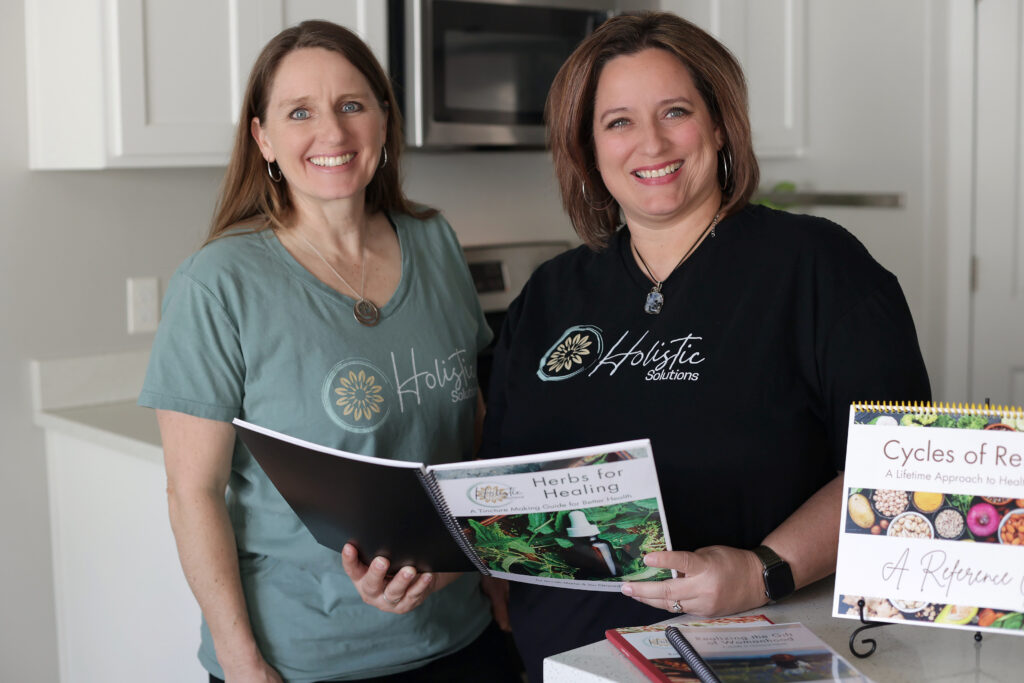
Hi! We’re Jennah & Jen
We’re each the mother of six children, natural health educators, and co-founders of Holistic Solutions. After decades of homeschooling, raising families, and studying natural wellness, we discovered powerful principles that transformed our own health journeys. Through Hormone Health for Real Life, we help women simplify hormone health, calm their nervous systems, and build sustainable habits that support lasting wellness.
The information shared on this podcast is intended for educational and informational purposes only and is not intended as medical advice, diagnosis, treatment, or a substitute for professional healthcare services. The hosts, Jen Cloward and Jennah Martin, are not licensed medical doctors and do not provide medical care. The content shared reflects personal experiences, educational research, and general wellness principles and should not be used to diagnose, treat, cure, or prevent any disease or medical condition. Always consult with a qualified healthcare professional regarding any questions you may have about your health, medications, supplements, medical conditions, or treatment plans. Never disregard professional medical advice or delay seeking medical care because of something you have heard on this podcast. By listening to this podcast, you acknowledge that you are responsible for your own health decisions and that any actions you take based on the information provided are taken at your own discretion and risk.
