
Hibiscus is one of those rare herbs that’s just as beautiful as it is beneficial. You’ve probably seen its bright crimson petals in gardens or tropical teas – but did you know that this vibrant flower is a powerhouse of healing?
Used traditionally in Ayurvedic, African, and Caribbean medicine, hibiscus is best known for supporting heart health, balancing hormones, and cooling inflammation. With a tart, cranberry-like flavor and bold color, it’s also a favorite in the DIY world for teas, syrups, body oils, and even natural dye.
In this blog, we’ll explore everything you need to know about hibiscus—from its benefits and science-backed uses to recipes and precautions. Whether you’re just sipping it as a tea or crafting your own wellness blends, this herb deserves a place in your holistic toolkit.
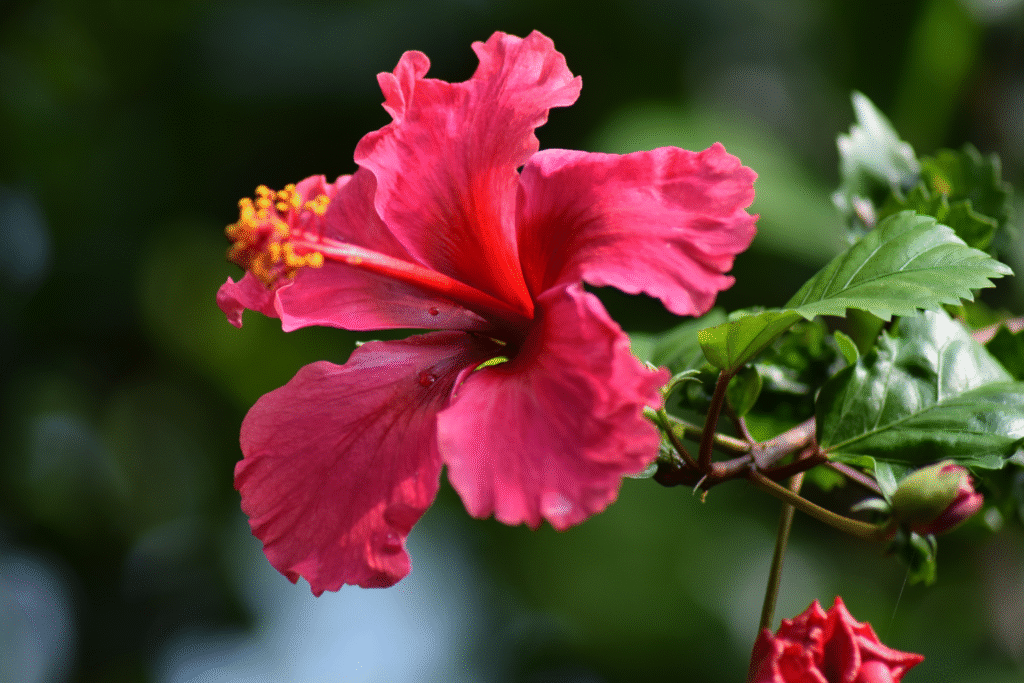
What Is Hibiscus?
Hibiscus is a flowering plant in the Malvaceae (mallow) family, with over 200 known species. The most commonly used species in herbal medicine is Hibiscus sabdariffa, also known as roselle.
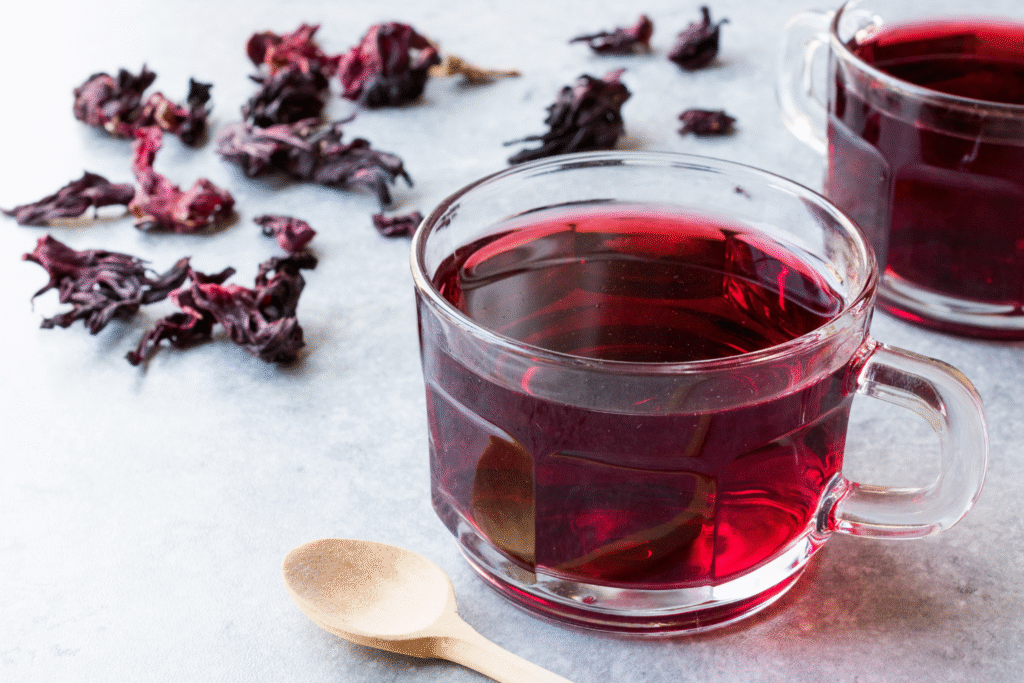
The part used medicinally is the calyx—the fleshy, petal-like structure that holds the flower’s seed pod after blooming. This is what gives hibiscus tea its characteristic deep red color and tangy flavor.
While many think of it as a tropical flower, hibiscus grows in warm climates around the world – including Africa, Asia, Central America, and parts of the U.S.
Health Benefits
1. Supports Heart Health and Blood Pressure
One of the most researched benefits of hibiscus is its ability to lower blood pressure. Clinical studies have shown that drinking it as a tea can significantly reduce both systolic and diastolic blood pressure, especially in people with mild hypertension.
This effect is likely due to hibiscus’s:
- Diuretic properties (helps release excess fluid)
- Vasodilating effect (relaxes blood vessels)
- Antioxidants that reduce inflammation and support vessel health
💡 Try: 1–2 cups of unsweetened hibiscus tea daily for cardiovascular support.
2. Powerful Antioxidant Protection
Hibiscus is rich in anthocyanins, polyphenols, and vitamin C, all of which help fight oxidative stress in the body. These compounds protect your cells from damage caused by free radicals—contributing to healthy aging, brain health, and immune function.
Its deep red color is a clue to its antioxidant content—just like red berries or beets.
💡 Hibiscus + pomegranate = an antioxidant powerhouse.
3. Balances Blood Sugar and Metabolism
Some studies suggest hibiscus may improve insulin sensitivity and help lower fasting blood glucose. It may also support fat metabolism and reduce liver fat buildup, making it helpful for those managing weight or metabolic health.
💡 Try hibiscus tea between meals as a sugar-free alternative to juice or soda.
4. Soothes PMS and Supports Hormones
Hibiscus’s cooling, anti-inflammatory nature makes it an excellent herb for hormone balance—especially during PMS. It may help:
- Reduce menstrual cramps
- Ease bloating (as a mild diuretic)
- Lower cortisol (the stress hormone)
Some herbalists believe it also has a mild phytoestrogenic effect, gently supporting estrogen balance in perimenopausal women.
💡 Try drinking hibiscus iced tea or warm infusions during your luteal phase (post-ovulation).
5. Boosts Immune System
Thanks to its vitamin C, hibiscus may help strengthen your body’s natural defenses. It also has mild antimicrobial properties that can support your immune system during cold and flu season.
💡 Make a DIY immunity tea with hibiscus, ginger, cinnamon, and elderberries.
6. Promotes Glowing Skin
It helps your skin both inside and out. Internally, its antioxidants fight aging and promote collagen production. Topically, it acts as a natural AHA (alpha hydroxy acid), gently exfoliating dead skin and brightening the complexion.
💡 Use hibiscus tea as a face rinse or combine dried petals with honey for a rejuvenating face mask.
How to Use
One of the best things about hibiscus is how versatile it is. Here are a few favorite ways to use it at home:
1. Tea
This is the most common method – and one of the easiest.
Basic Hibiscus Tea (Hot or Iced):
- 1–2 tsp dried hibiscus petals
- 1 cup boiling water
- Steep 10 minutes, strain, and enjoy.
Flavor boosters: mint, ginger, cinnamon, lemon, lime, or orange peel
💡 Serve over ice with a drizzle of honey and fresh lime for a healthy mocktail.
2. Syrup
Great for making mocktails, soothing sore throats, or drizzling over pancakes!
Simple Hibiscus Syrup:
- 1 cup water
- 1 cup sugar or honey
- 1/2 cup dried hibiscus
Simmer until reduced, strain, and store in the fridge.
3. Infused Oil (for Skin and Hair)
Hibiscus oil is deeply nourishing and great for supporting scalp health, hair growth, and dry skin.
To Make:
- Fill a clean jar with dried hibiscus flowers
- Cover with a carrier oil (like coconut, almond, or jojoba)
- Infuse in a sunny window for 2–3 weeks
- Strain and use!
4. DIY Face Mask
- 1 tsp hibiscus powder or finely crushed dried petals
- 1 tbsp honey or aloe vera gel
- Optional: a few drops of rosewater
Mix into a paste and apply for 10–15 minutes, then rinse.
In Traditional Herbalism
- Ayurveda: Used to cool the body, regulate menstruation, and promote hair growth
- Traditional African medicine: Used for sore throats, heart health, and as a tonic
- Mexico & Central America: Known as agua de jamaica, often consumed chilled and sweetened
Hibiscus is a cooling, moistening herb—perfect for people who run hot, deal with inflammation, or want to calm overactive systems.
Precautions
While this herb is generally safe, a few cautions apply:
- Pregnancy: Not recommended in early pregnancy due to its potential uterine-stimulating effects
- Low blood pressure: May lower blood pressure further
- Medication interactions: Could interact with blood pressure or diabetes meds
- Allergies: Rare, but possible with hibiscus or related plants
Always consult your healthcare provider if you’re on medications or have a medical condition.
Where to Buy or How to Grow
Where to Buy:
- Look for Hibiscus sabdariffa specifically (loose petals, organic if possible)
- Available from trusted sources like:
- Mountain Rose Herbs
- Starwest Botanicals
- Local herbal shops or international markets
Avoid products with added sugars, dyes, or artificial flavors.
How to Grow Your Own
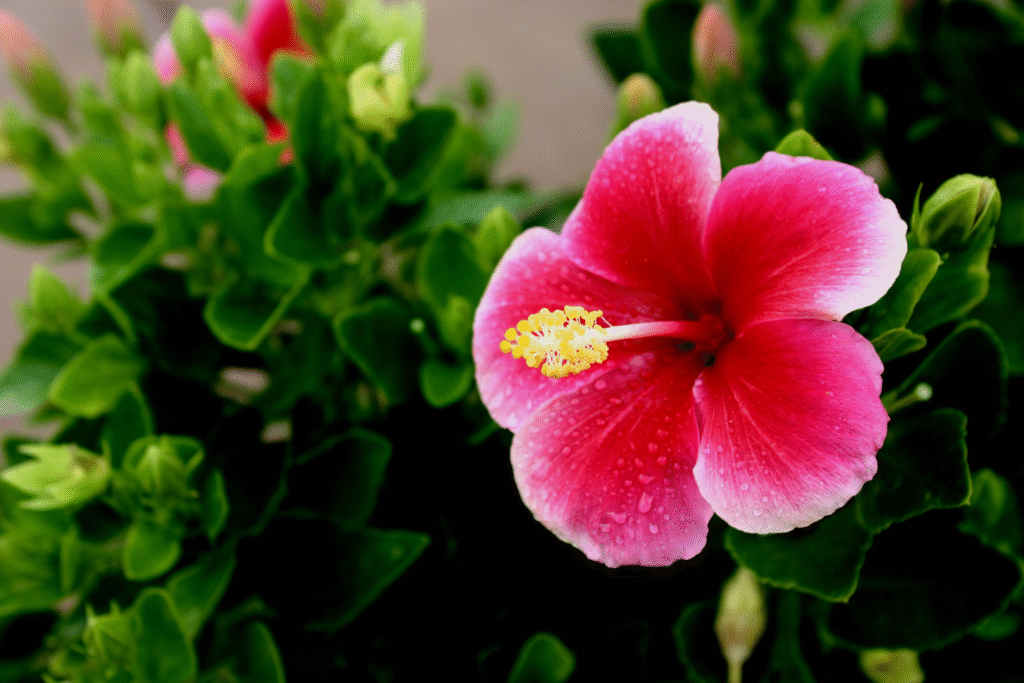
If you live in a warm climate (USDA zones 8–11), you can grow hibiscus at home! Even in cooler climates, you can grow roselle as an annual in pots.
Tips:
- Needs full sun and warmth
- Grows well from seed in rich soil
- Harvest calyces when the flowers fall off (before seeds harden)
Bonus: It attracts pollinators and makes a stunning garden plant.
Final Thoughts: A Flower Worth Sipping
Hibiscus is more than just a tropical delight – it’s a deeply nourishing herb that supports your heart, skin, hormones, and immune system. Its versatility in teas, oils, syrups, and skincare makes it a must-have in any DIY holistic home.
Whether you’re brewing it into a beautiful crimson tea or adding it to your herbal apothecary, hibiscus invites you to slow down, sip deeply, and remember that healing can be as lovely as a flower in bloom. You’ll find hibiscus in the following Holistic Solutions tinctures: C Vitality, Gut Vitality, Heart Vitality

