
Dandelion – Taraxacum officinale – is more than just a stubborn garden weed. For centuries, herbalists across cultures have prized this bright yellow flower for its deep healing properties. From root to flower, every part of the this amazing plant is edible and packed with nutrients that support detoxification, digestion, and overall well-being.
In this guide, we’ll dig deep into the power of dandelion: what it is, how it works in the body, its traditional and modern uses, and how to incorporate it into your DIY holistic lifestyle.
What Is Dandelion?
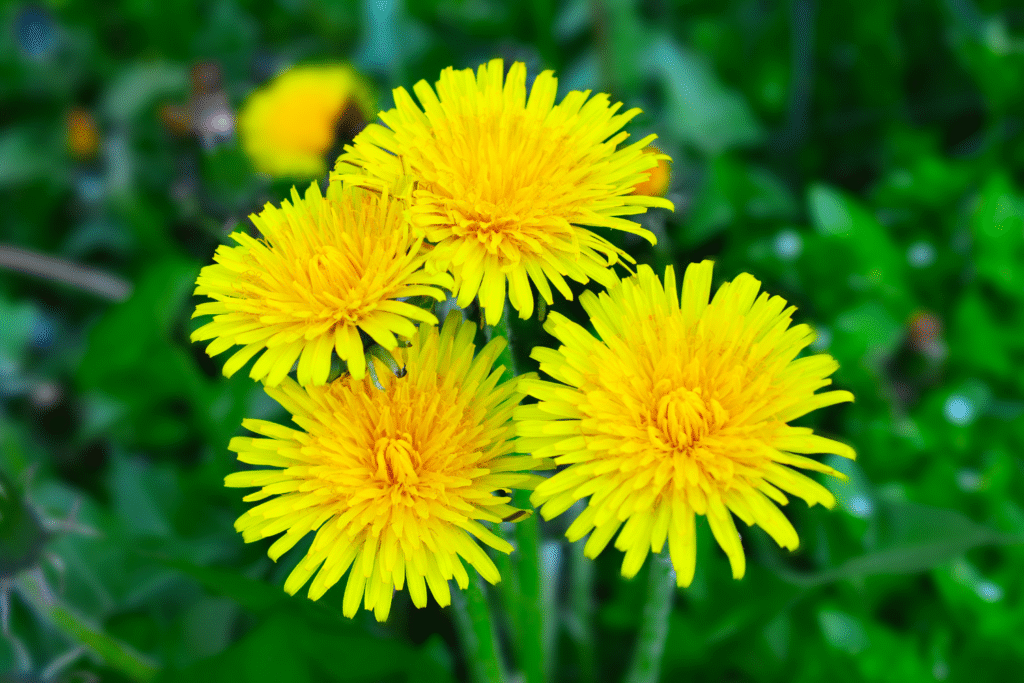
It is a perennial herb that belongs to the Asteraceae family. Its name comes from the French dent de lion, meaning “lion’s tooth,” which refers to the jagged edges of its leaves. Native to Europe and Asia, it has naturalized across North America and beyond.
Despite being classified as a weed by lawn care standards, dandelion is one of the most versatile and nutritionally dense herbs available.
Nutritional Profile
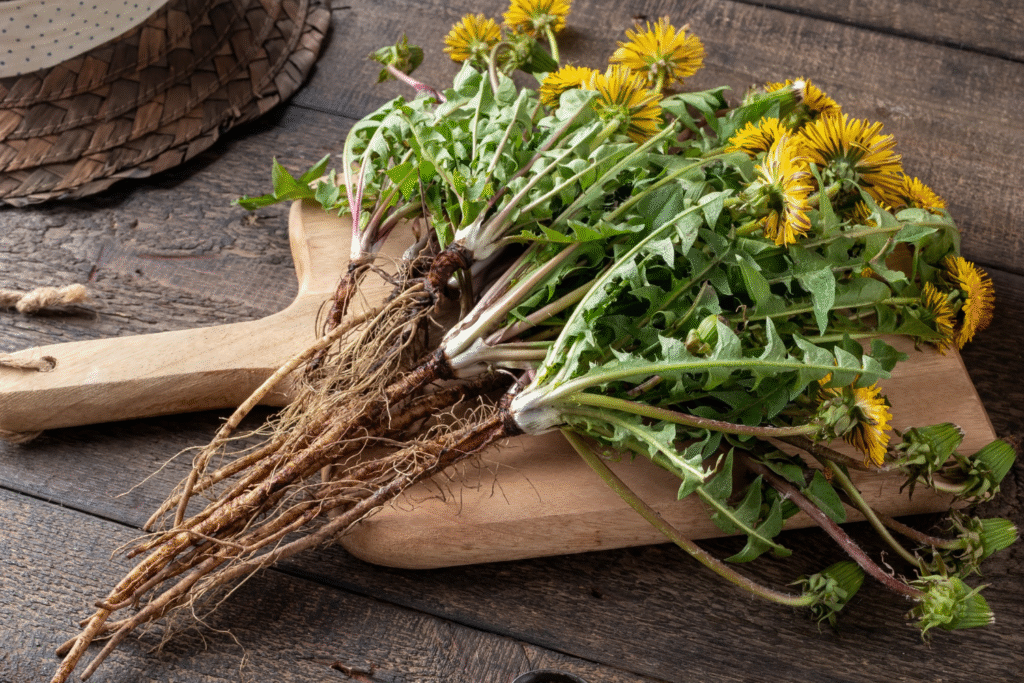
Every part of the plant – the root, leaves, and flowers – offers unique benefits.
- Leaves are rich in vitamins A, C, and K, along with calcium, iron, and potassium.
- Roots contain inulin (a prebiotic fiber), along with bitter compounds that support liver function.
- Flowers are packed with antioxidants and can be used in skincare or homemade wines and teas.
Dandelion is naturally:
- Diuretic
- Detoxifying
- Anti-inflammatory
- Antioxidant
- Digestive-stimulating
Benefits: A Deep Dive
1. Supports Liver Health
Your liver is one of the hardest-working organs in your body – it filters toxins, metabolizes hormones, and helps break down fats. Dandelion root has long been celebrated in herbal medicine for its ability to support and stimulate liver function. It encourages bile production, which is essential for digesting fats and carrying waste products out of the body.
Traditional herbalists often use dandelion root during springtime cleanses or when someone is feeling sluggish, congested, or overburdened by processed foods or environmental toxins. The inulin fiber in the root also supports gut health, which plays a key role in liver function.Your liver is one of the hardest-working organs in your body – it filters toxins, metabolizes hormones, and helps break down fats.
Dandelion root has long been celebrated in herbal medicine for its ability to support and stimulate liver function. It encourages bile production, which is essential for digesting fats and carrying waste products out of the body. Traditional herbalists often use dandelion root during springtime cleanses or when someone is feeling sluggish, congested, or overburdened by processed foods or environmental toxins. The inulin fiber in the root also supports gut health, which plays a key role in liver function.
💡 DIY Tip: Try brewing dandelion root tea as part of a seasonal liver cleanse.
2. Improves Digestion
One of the most notable qualities of dandelion – especially the leaves and roots – is their bitterness. While bitter flavor profiles are often avoided in modern diets, they play an essential role in activating digestive secretions.
The bitter compounds in it send signals to your body that it’s time to prepare for digestion, which increases saliva, stomach acid, bile, and enzymes. This can ease bloating, gas, and indigestion, especially if you eat heavier or greasy meals. Better digestion also leads to better nutrient absorption, helping you get more out of the foods you eat.
💡 Before meals, enjoy a small amount of dandelion leaf tea or tincture to get your digestive fire going.
3. Reduces Water Retention and Bloating
If you deal with puffiness, bloating, or swelling, especially around your period or after salty foods – dandelion may offer relief. It acts as a gentle, natural diuretic that helps your body release excess water through urination, but without stripping your body of key minerals like potassium (which is a common downside of pharmaceutical diuretics).
Dandelion leaf is especially known for this effect and has been used for generations to support healthy fluid balance.
💡 For PMS-related bloating, try dandelion leaf tea for a few days leading up to your cycle.
4. Supports Blood Sugar Balance
Emerging research shows that this herb may help regulate blood sugar levels and improve insulin sensitivity. Compounds like chicoric acid and inulin, a type of prebiotic fiber found in dandelion root, may help slow the absorption of sugars in the gut, preventing spikes and crashes.
At the same time, dandelion’s antioxidant properties help reduce inflammation, which is often elevated in people with insulin resistance or prediabetes. While it’s not a replacement for medical treatment, it can be a helpful part of a blood sugar-balancing lifestyle.
💡 Add fresh dandelion greens to smoothies or salads to increase fiber and support glucose control.
5. Promotes Clear Skin
Your skin often reflects what’s going on internally, and herbs that support detoxification and liver function, like dandelion, can improve skin clarity from the inside out. Dandelion’s anti-inflammatory and antibacterial compounds can also be used topically to soothe conditions like acne, eczema, or skin irritations. Its antioxidants fight free radical damage that can lead to premature aging, while its nutrients (like vitamin C and beta-carotene) support overall skin health and repair.
💡 Apply cooled dandelion tea to skin with a cotton ball, or add it to a DIY clay face mask.
6. Supports Immune Function
This amazing herb is rich in polyphenols, flavonoids, and beta-carotene – powerful antioxidants that help your body neutralize free radicals and reduce oxidative stress. These compounds support a stronger immune system and may reduce chronic, low-grade inflammation that contributes to a range of health issues, from heart disease to autoimmune conditions. Additionally, it may have mild antimicrobial properties that help the body fight infections more effectively.
Traditional Uses
Dandelion has a long history of use across cultures:
- Traditional Chinese Medicine (TCM): Used to clear heat, reduce inflammation, and treat infections.
- Ayurveda: Known as “Simhadanti,” used to purify the blood and balance liver function.
- Western Herbalism: Utilized for skin conditions, digestive complaints, and as a spring tonic.
How to Harvest Dandelion Safely
If you’re planning to forage your own dandelion, follow these tips:
- Pick from areas free of pesticides, lawn sprays, and pollution
- Choose young leaves for less bitterness
- Dig roots in early spring or fall when they are most potent
- Wash thoroughly and dry for long-term storage
Important Note on Foraging:
While dandelion grows abundantly in the wild (and even in your backyard), it’s not safe to harvest from just anywhere. Avoid picking dandelions from roadsides, public parks, or lawns that may have been sprayed with pesticides, herbicides, or fertilizers. These chemicals can linger in the plant and make them unsafe for consumption. If you’re unsure about the spray history of a location, it’s better to skip foraging there and opt for trusted sources instead.
Where to Buy Dandelion Products
If you’re not ready to forage, dandelion is widely available in:
- Herbal stores (like Mountain Rose Herbs or Starwest Botanicals)
- Health food stores (in tea, capsule, or tincture form)
- Farmers’ markets (fresh leaves in spring)
Look for organic, pesticide-free options whenever possible to ensure quality and safety.
Dandelion DIY Recipes and Remedies
Let’s explore a few easy and practical ways to use dandelion in your daily wellness routine.
1. Dandelion Root Tea (Roasted or Raw)
Ingredients:
- 1-2 tsp dried dandelion root (roasted for coffee alternative, raw for liver detox)
- 1 cup hot water
Directions:
- Steep for 10-15 minutes. Strain and enjoy!
- Optional: Add cinnamon, nutmeg, or coconut milk for a cozy twist.
2. Dandelion Leaf Salad
Fresh dandelion leaves can be eaten raw, especially when young and tender.
Simple Salad Combo:
- Dandelion greens
- Sliced strawberries or apples
- Goat cheese or walnuts
- Olive oil + lemon juice dressing
3. Dandelion Tincture
Great for travel or daily liver support.
How to Make:
- Fill a glass jar with chopped dandelion root (fresh or dried)
- Cover with vodka or brandy
- Steep for 4–6 weeks, shaking daily
- Strain and store in a dark glass bottle
While great on it’s own, dandelion and other herbs work synergistically with other herbs creating a symphony of healing benefits. You’ll find dandelion in the following Holistic Solutions tinctures: Detox Plus, Fit & Trim, Gut Vitality, and Liver/Gallbladder Vitality.
You could also try our Liver/Gallbladder Vitality tincture here.
4. Dandelion-Infused Oil (for Skin)
How to Make:
- Pack dried dandelion flowers into a jar
- Cover with olive oil or jojoba oil
- Infuse in a sunny window for 2–3 weeks
- Strain and use as a massage oil or base for salves
5. Dandelion Vinegar Tonic
A mineral-rich way to dress your salads and support digestion.
How to Make:
- Fill a jar with chopped dandelion leaves, flowers, and a few roots
- Cover with apple cider vinegar
- Steep for 2–4 weeks
- Strain and refrigerate
6. Dandelion Honey (or Syrup)
- Pack fresh petals in a jar
- Pour honey over until submerged
- Let sit for 1–2 weeks
- Strain and use for sore throats or allergies
Safety and Contraindications
While dandelion is generally safe, it’s important to be aware of a few cautions:
- Allergies: If you are allergic to ragweed, marigold, or chamomile, test cautiously.
- Medication Interactions: Dandelion may interact with diuretics, lithium, or diabetes meds.
- Gallstones or ulcers: Its bile-stimulating effect may aggravate these conditions.
Always consult a healthcare provider if pregnant, nursing, or on medication.
How to Store Dandelion
To keep your wildcrafted or store-bought dandelion potent:
- Dry leaves and flowers thoroughly before storing
- Keep in an airtight jar away from sunlight
- Roots can be chopped and dried for tea or tinctures
- Infused oils and vinegars should be refrigerated after straining
Dandelion in the Garden
Want to grow your own dandelion? It’s easier than you think.
- Start with seeds in pots or a corner of your garden
- Harvest regularly to keep it from spreading too aggressively
- Let some bloom for pollinators – bees love dandelions!
Bonus: Dandelions help aerate soil and attract beneficial insects.
In Conclusion
Dandelion teaches us a profound lesson: sometimes the most powerful remedies are right under our feet. Often discarded as a nuisance, this humble herb is rich with healing, beauty, and nourishment. Whether you sip it in tea, apply it as oil, or add it to your meals, dandelion invites you to reconnect with the natural world and reclaim the wisdom of everyday plants.

