
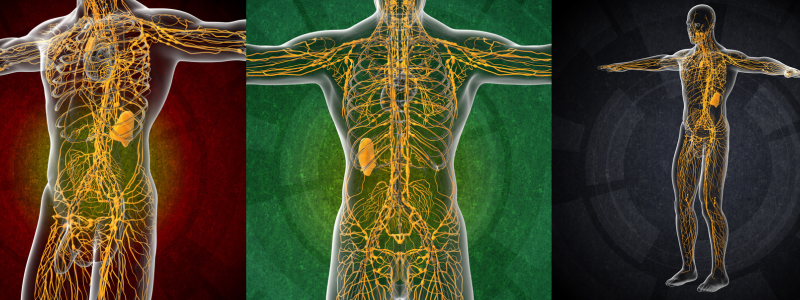
Introduction to the lymphatic system
A healthy lymphatic system is a crucial part of our overall health and well-being. It plays a vital role in maintaining the body’s immune system by helping to eliminate toxins, waste, and other harmful substances. The lymphatic system consists of a network of vessels, lymph nodes, and organs that work together to transport lymph throughout the body. Lymph is a clear fluid that contains white blood cells, proteins, and other substances. Understanding the importance of lymph movement is essential for optimizing our health and well-being.
What is a healthy lymphatic system and why is it important?
Lymph movement refers to the circulation of lymph throughout the body. Unlike the circulatory system, which has the heart to pump blood, the lymphatic system relies on other mechanisms to move lymph. Lymph movement is crucial because it helps to remove toxins, waste products, and pathogens from the body. It also plays a role in transporting nutrients and hormones to the cells and tissues. Without proper lymph movement, the body’s immune system can become compromised, leading to various health issues.
Benefits of lymph movement for overall health
The benefits of lymph movement are numerous and significant for our overall health. When lymph circulates efficiently, it helps to strengthen the immune system, reducing the risk of infections and diseases. Lymph movement also aids in the removal of metabolic waste, toxins, and excess fluid, which can improve the body’s detoxification process. Additionally, lymph movement promotes better digestion, enhances cellular function, and supports tissue repair and regeneration. By stimulating lymph movement, we can experience improved energy levels, better skin health, and a stronger immune system.

How to stimulate lymph movement through jumping
Jumping is an excellent way to stimulate lymph movement and optimize the health of our lymphatic system. The repetitive up-and-down motion of jumping creates a pumping effect on the lymphatic vessels, helping to move lymph throughout the body. There are several mechanisms through which jumping creates a healthy lymphatic system.
Skeletal muscle action to move lymph
When we jump, our skeletal muscles contract and relax, providing a pumping action that helps move lymph. The contraction of muscles compresses the lymphatic vessels, pushing lymph through the system. As we land from a jump, the muscles relax, creating a suction effect that draws lymph into the vessels. This repetitive muscle action enhances lymph circulation and promotes its proper drainage.
Diaphragm action to put pressure on Cisterna Chyli
The diaphragm, a dome-shaped muscle located below the lungs, plays a crucial role in lymph movement. When we jump, the impact of landing causes the diaphragm to contract forcefully. This contraction creates pressure on the cisterna chyli, a lymphatic reservoir situated above the abdomen. The increased pressure facilitates the movement of lymph and helps to clear any blockages or stagnation.
G-forces on every cell in the body
Jumping also generates gravitational forces that affect every cell in the body. The impact of landing during a jump creates a brief increase in G-forces, which stimulates the lymphatic system. These G-forces help to shake and mobilize lymph, encouraging its movement and improving the overall efficiency of a healthy lymphatic system.

Jumping Exercises: Optimizing Lymphatic Flow
To optimize lymphatic flow, incorporating specific jumping exercises into your routine can be highly beneficial. Here are some jumping exercises that can stimulate lymph movement:
- Jumping Jacks: Start with your feet together and arms by your sides. Jump up, spreading your legs wider than shoulder-width apart while raising your arms above your head. Jump back to the starting position and repeat.
- Jump Rope: Grab a jump rope and start hopping lightly on both feet while swinging the rope over your head and under your feet. Increase the intensity by jumping higher or incorporating different footwork patterns.
- Trampoline Jumping: If you have access to a trampoline, bouncing on it can be a fun and effective way to stimulate lymph movement. Start with gentle bounces and gradually increase the intensity.
Remember to start slowly and gradually increase the intensity of your jumping exercises. Listen to your body and stop if you experience any pain or discomfort. It’s essential to maintain proper form and land softly to minimize the impact on your joints.
Potential Risks and Precautions When Jumping for Lymphatic Health
While jumping can offer numerous benefits for lymphatic health, it’s essential to be aware of potential risks and take necessary precautions. If you have any underlying health conditions, such as joint problems or cardiovascular issues, it’s advisable to consult with a healthcare professional before starting a jumping exercise routine. Additionally, if you experience pain, dizziness, or shortness of breath during or after jumping, it’s crucial to listen to your body and modify your exercise accordingly. Remember to wear appropriate footwear and choose a suitable surface for jumping to reduce the risk of injury.
Incorporating Jumping into Daily Routine for a Healthy Lymphatic System
Incorporating jumping into your daily routine doesn’t have to be complicated. You can start by allocating a few minutes each day for jumping exercises. Consider setting aside time in the morning or during breaks throughout the day to get your lymphatic system moving. You can also incorporate jumping into other activities, such as dance or sports that involve jumping movements. Find what works best for you and make it a regular part of your routine to optimize your lymphatic health.

Natural remedies for improving lymphatic function
In addition to incorporating jumping exercises into your routine, several natural remedies can help improve lymphatic function. These remedies include:
- Dry Brushing: Brushing your skin with a dry brush before showering can help stimulate lymph flow and improve circulation.
- Herbal Teas: Certain herbal teas, such as dandelion root or cleavers, have diuretic and detoxifying properties that can support lymphatic function.
- Essential Oils: Essential oils like grapefruit, cypress, and lemon can be used topically or diffused to support lymphatic drainage.
Remember to consult with a healthcare professional or holistic practitioner before trying any natural remedies to ensure they are suitable for your individual needs.
Importance of hydration for lymphatic health
Staying hydrated is crucial for maintaining optimal lymphatic health. Adequate hydration helps to keep the lymphatic fluid flowing smoothly, preventing it from becoming thick and stagnant. Aim to drink at least eight glasses of water per day and include hydrating foods, such as fruits and vegetables, in your diet. Avoid excessive consumption of caffeinated or sugary beverages, as they can dehydrate the body and hinder lymphatic function.
Conclusion: Incorporating lymph movement into your daily routine
Incorporating lymph movement into your daily routine through jumping exercises and other methods can have profound benefits for your overall health and well-being. By stimulating lymph movement, you support the body’s natural detoxification process, strengthen the immune system, and enhance cellular function. Remember to start slowly and gradually increase the intensity of your jumping exercises, listen to your body, and take necessary precautions. By making lymph movement a regular part of your routine, you can jump your way to a healthy lymphatic system and enjoy the many benefits it brings.

