
(Even If You’re Tired, Busy, and Don’t Want to Cook)
There was a season where I (Jen) kept telling myself I was going to eat a high-protein breakfast every morning because I knew that in order to reset my nervous system and keep my cortisol down, it was a must…and then morning would come.
I’d be tired. Busy. Behind already. The kitchen would feel overwhelming. And if a high-protein breakfast option wasn’t easy, fast, or already prepared ahead of time—I simply wouldn’t do it. I felt the decision fatigue, and it was first thing in the morning!
That’s one reason I started relying on things like Built Bars for a while. They were convenient. But over time, I realized many of them were still higher in sugars and processed ingredients than I personally wanted. Then I moved to IQ Bars, which I liked much better ingredient-wise… but they’re expensive when you’re feeding a family or trying to make this a long-term lifestyle.
So lately, I’ve been working toward something different: whole-food, protein-first mornings that are prepared ahead of time and actually realistic for real life.
Because the truth is, many women are trying to function all morning long on a pop tart, toast, or nothing at all—and then wondering why their energy crashes, cravings spike, stress feels overwhelming, and hormones feel all over the place.
High-protein first thing in the morning matters more than most women realize.
It gives your body amino acids needed for neurotransmitters, blood sugar stability, muscle maintenance, metabolism, and nervous system support. Especially for women dealing with cortisol issues, stress, fatigue, hormone imbalance, or midlife metabolic changes, starting the day with enough protein can make a huge difference in how steady you feel the rest of the day.
And honestly? The biggest secret isn’t perfection. It’s preparation.
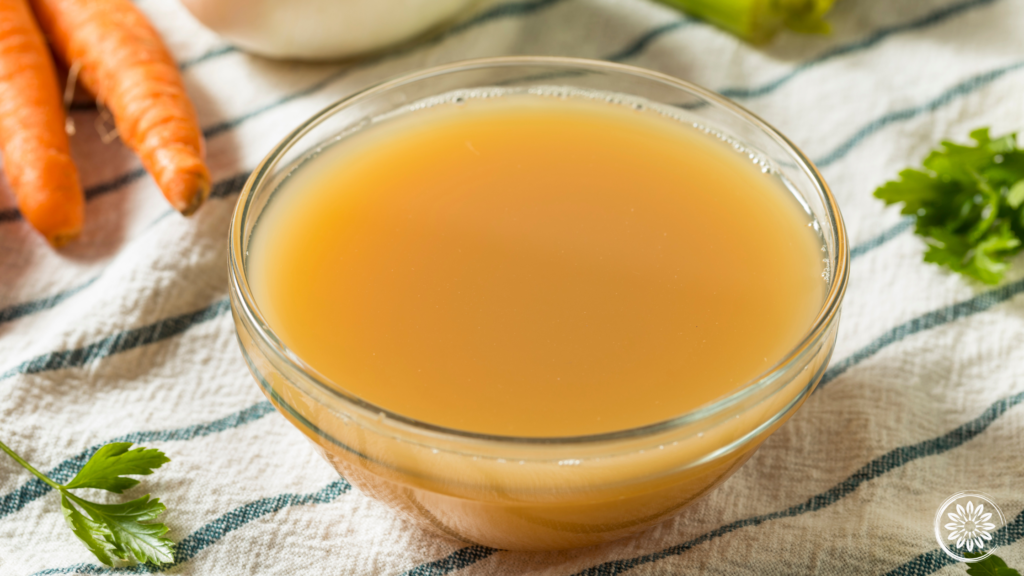
1. High-Protein Bone Broth (20–30g Protein)
Not all bone broth is created equal.
Some brands only contain 8–10 grams of protein per container, while others are much more concentrated. If you’re using bone broth as an actual protein source, you want the higher-protein varieties. I’ve been buying Kettle & Fire by the case from Sam’s Club.
Look for options with:
- 18–30g protein per serving
- Minimal ingredients
- Slow-simmered bones and connective tissue
- No added sugars or unnecessary fillers
Some brands have dramatically higher protein levels because they use more collagen-rich bones and reduce the broth further during cooking.
One of the easiest morning habits I’ve found is simply heating up a mug of bone broth while I get ready for the day. It’s warm, grounding, easy on digestion, and doesn’t feel heavy first thing in the morning.
To boost the protein even further, you can:
- Stir in unflavored collagen peptides (I usually add collagen to mine)
- Add shredded chicken
- Blend with egg yolks for a creamy soup-style drink
- Sip it alongside boiled eggs or turkey sausage
Sometimes the “best” breakfast is just the one you’ll actually do consistently.
2. Egg Muffins You Make Once and Grab All Week
Approx. 22–28g Protein
These are one of my favorite “future self” foods because they remove decision fatigue completely.
You make them once. Put them in the fridge. Reheat in 30 seconds. Done.
High-Protein Egg Muffins
Ingredients
- 10 eggs
- 1 cup cottage cheese (optional, but boosts protein and texture)
- 1 cup cooked turkey sausage or diced chicken sausage
- 1 cup chopped spinach
- ½ cup diced bell peppers, onions or sauteed mushrooms
- 1 cup shredded cheese
- Salt, pepper, garlic powder
Instructions
- Preheat oven to 375°F.
- Blend eggs and cottage cheese until smooth.
- Stir in remaining ingredients.
- Pour into greased muffin tins.
- Bake 20–25 minutes.
Protein
2–3 muffins = approximately 22–28g protein depending on meat and cheese used. You can also freeze these and reheat directly from frozen on busy mornings.
I make these without the cottage cheese and with half the cheese because my blood sugar is really sensitive to milk sugars and they still taste great.
3. A Protein Shake That Actually Keeps You Full
25–35g Protein
A lot of smoothies are basically desserts pretending to be healthy.
If your shake leaves you hungry an hour later, it probably needs more protein, fat, and blood sugar stability.
I’ve found that using real food ingredients makes a huge difference.
Cortisol-Friendly Protein Shake
Ingredients
- 1 scoop clean protein powder
- 1 scoop collagen peptides
- Unsweetened almond or coconut milk
- Ice (optional)
- Cinnamon
- ½ tablespoon almond butter or peanut butter
- Optional: frozen cauliflower for creaminess
Optional Add-Ins
- Chia seeds
- Hemp hearts
- Greek yogurt
- Frozen berries (especially later in the day if carbs work better for you then)
Protein
Usually 25–35g depending on additions.
I personally like chocolate Raw Meal and add all sorts of things to make it healthier: microgreens powder or wheat grass juice powder (during gall bladder & liver months) and soaked flax seed for my hormones. This whole-food based option tends to sit better for me overall.
4. Homemade High-Protein Breakfast Cookies or Bars
20+g Protein
This is the category I’ve been experimenting with the most lately because I wanted something as convenient as a packaged protein bar… but with ingredients I actually feel good about eating regularly.
And honestly? The homemade versions are getting really good.
Chocolate Peanut Butter Protein Bars
Ingredients
- 1 cup natural peanut or almond butter
- ½ cup almond flour
- ½ cup oats
- 2 scoops protein powder
- ½ cup collagen peptides
- ¼ cup chia seeds
- 2 tablespoons cocoa powder
- ¼ cup honey or monk fruit syrup
- Splash of almond milk as needed
Instructions
- Mix everything together until thick.
- Press into parchment-lined pan.
- Refrigerate until firm.
- Cut into bars.
Protein
Depending on your protein powder, each bar can easily reach 20–25g protein.
These work especially well when made ahead in batches and stored in the freezer.
Because let’s be honest: if healthy food requires too many steps at 6:30 in the morning, most of us aren’t doing it consistently.
I’m still experimenting with more high–protein breakfast bars and cookies, so I’ll post more recipes later.
5. Simple “Protein Plates”
20–30g Protein in 5 Minutes
Sometimes we overcomplicate breakfast.
You do not need a Pinterest-worthy meal every morning.
One of the simplest things I’ve learned is that high-protein breakfast can be as simple as left overs from the night before.
Examples:
- 3 boiled eggs + turkey sausage
- Leftover chicken thighs
- Cottage cheese with hemp hearts (for those not sensitive to milk sugars)
- Smoked salmon with cucumbers
- Rotisserie chicken and avocado
- Greek yogurt with collagen stirred in
A “real food protein plate” is often far more stabilizing than cereal, toast, muffins, or granola bars marketed as health foods. And it removes a lot of the mental exhaustion around food decisions.
I don’t tend to eat this a lot for breakfast because this is what my lunch looks like, but for someone in a hurry, this is a great option.
The Real Goal Isn’t Perfection
I think many women secretly believe healthy eating has to look impressive to count.
But some of the healthiest habits are incredibly simple:
- A prepared egg muffin
- A mug of bone broth
- A freezer protein bar
- A shake you can make half asleep
That’s real-life nourishment.
And if you’re trying to support your hormones, nervous system, metabolism, or energy levels, protein in the morning is one of the most foundational places to start.
Not because diet culture says so but because your body needs building blocks to function well.
Sometimes healing starts with something as small as making tomorrow morning easier than today. That’s my goal, to make healing as simple, easy, and nutritious as possible.

